
On-Page SEO Checklist: How to Rank #1 Without Extra Backlinks
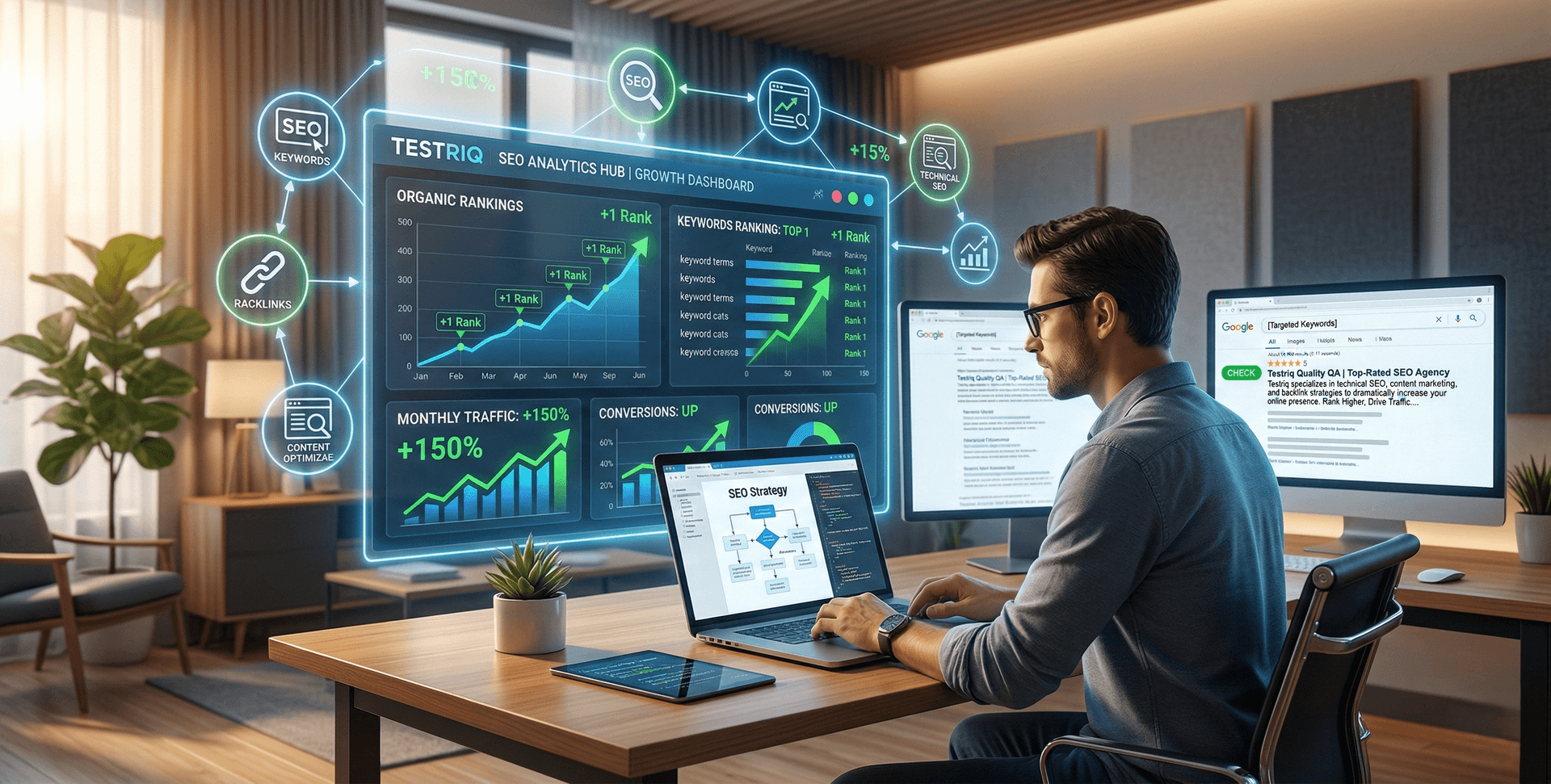
Want to rank higher on Google without spending months building backlinks? This complete On-Page SEO checklist reveals proven strategies to optimize content, improve website structure, and boost search rankings through smart keyword usage, internal linking, and technical SEO.
Search engine rankings are becoming more competitive every day, but ranking on Google doesn’t always require a large number of backlinks. With the right On-Page SEO checklist, you can optimize your content, structure, and website performance to improve visibility and attract organic traffic. This guide explains proven strategies used by professional SEO experts to help pages rank higher through content quality, keyword intent, internal linking, and technical optimization, making it easier for websites to achieve sustainable search engine growth.
If you ask most SEO experts how to rank on Google, they will immediately say “build more backlinks.” While backlinks are important, they are not the only way to reach the top of search results.
In fact, many websites today achieve strong rankings purely through effective On-Page SEO.
A well-optimized page tells Google exactly what your content is about, why it is valuable, and why users should see it first.
This blog will walk you through a complete On-Page SEO checklist used by professional SEO analysts to improve rankings even without heavy link building.
If you follow these strategies carefully, you can significantly improve search visibility, user engagement, and organic traffic — all without relying on external backlinks.
Let’s explore how.
What is On-Page SEO and Why It Matters
On-Page SEO refers to the process of optimizing elements within your website pages to improve their visibility on search engines.
Unlike off-page SEO, which focuses on backlinks and external signals, on-page SEO ensures that your content is clear, relevant, structured, and easy for search engines to understand.
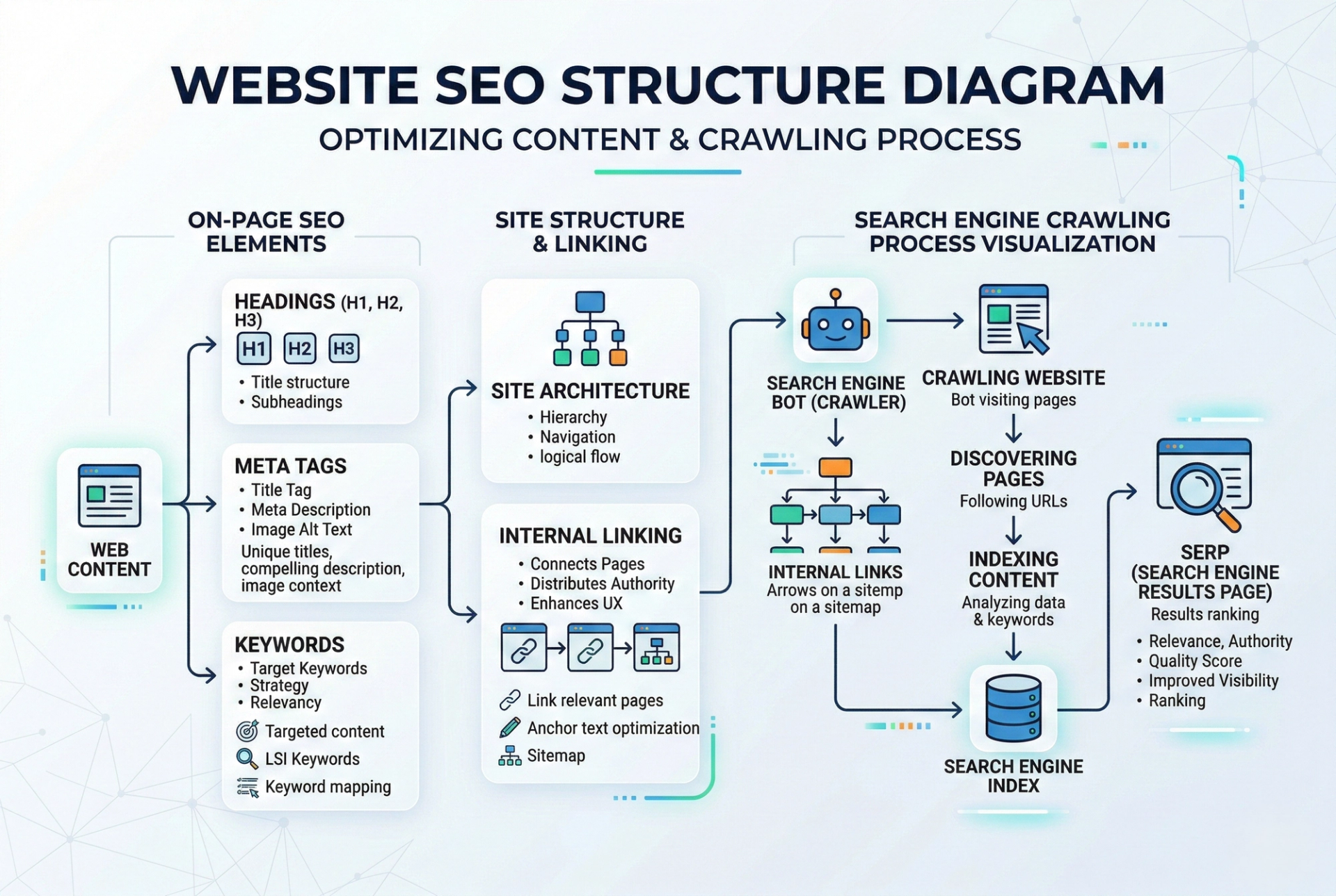
When Google crawls a webpage, it analyzes several signals including:
- Content relevance
- Keyword usage
- Page structure
- User experience
- Internal linking
- Technical optimization
If these elements are properly optimized, your page can perform extremely well even with minimal backlinks.
This is why modern SEO strategies prioritize content quality and technical optimization first.
For example, a page that answers user questions clearly, loads quickly, and is structured properly will always perform better than poorly optimized content.
Many professional SEO agencies offering Digital Marketing Services use on-page optimization as the foundation of their ranking strategy.
Step 1: Keyword Research That Matches Search Intent
The foundation of any SEO strategy is keyword research.
However, many beginners make the mistake of targeting keywords with high competition.
Instead, focus on long-tail keywords that have clear search intent and lower competition.
For example:
Instead of targeting
"SEO"
Target
"On page SEO checklist for beginners"
Long-tail keywords work because they match exactly what users are searching for.
There are four major types of search intent:
Informational – users want knowledge
Navigational – users want a specific site
Transactional – users want to buy
Commercial – users compare services
Your blog should match informational intent, which helps attract organic visitors who are looking for solutions.
Many businesses improve their SEO results dramatically when they combine keyword research with professional SEO Services that focus on search intent rather than volume.
If you want to master keyword research, search intent analysis, and ranking strategies, enrolling in a professional SEO Course can help you understand how search engines evaluate content.
Step 2: Create High Quality Content That Solves Problems
Google’s most important ranking factor is content quality.
If your content does not provide value, no technical optimization will help it rank.
Great SEO content follows three principles:
Clarity
Content should be easy to read and structured logically.
Depth
Comprehensive content tends to rank better because it covers topics thoroughly.
Engagement
Content should keep readers interested from start to finish.
This is why blogs with 2000+ words often perform better in search rankings.
Long content increases:
- time on page
- topical authority
- keyword coverage
When writing content, avoid robotic keyword usage. Instead, write naturally and use keywords where they fit organically.
Businesses that invest in professional Content Marketing strategies usually experience stronger organic growth because their content answers real user questions.
Learning how to create valuable content is a core skill taught in many Content Marketing programs where marketers learn how to attract and engage audiences organically.
Modern SEO strategies rely heavily on data-driven insights, which is why many professionals also explore a Data Science Course to understand how data patterns influence search rankings and user behavior.

Step 3: Optimize Title Tags and Meta Descriptions
Your title tag is the first thing users see in search results.
An optimized title improves click-through rate, which indirectly impacts rankings.
Good SEO titles follow these rules:
Include the primary keyFword
Keep length between 30-65 characters
Make it engaging and clear
Example:
Bad Title
SEO Guide
Better Title
Complete On-Page SEO Checklist for Higher Rankings
Meta descriptions should also encourage users to click.
Although meta descriptions do not directly affect rankings, they significantly impact traffic and engagement.
Well written descriptions summarize the page while highlighting its value.
Many successful websites improve their click-through rates simply by optimizing search snippets.
Step 4: Use Proper Heading Structure
Headings help both readers and search engines understand your content.
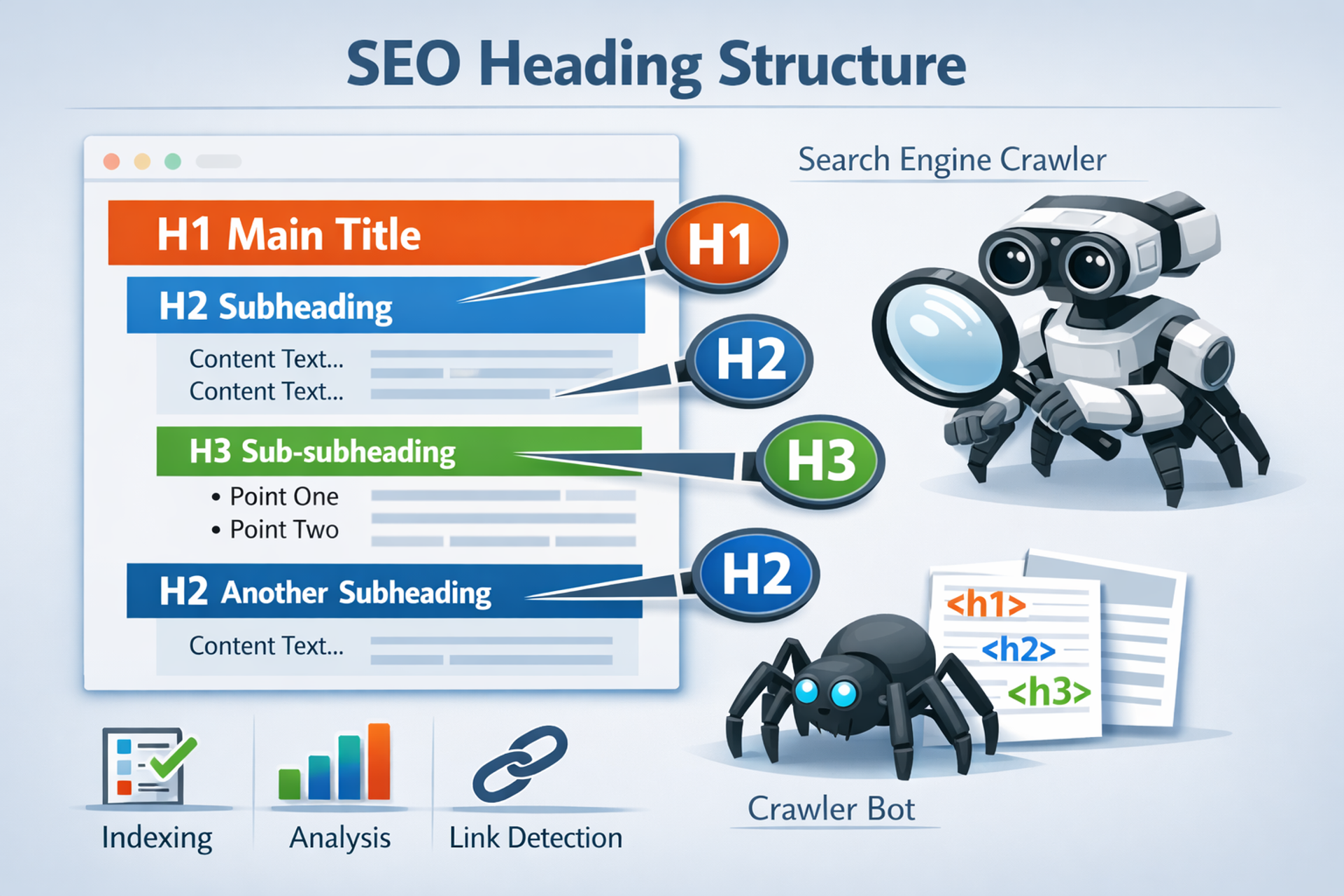
A well structured page follows a hierarchy:
H1 → Page title
H2 → Main sections
H3 → Subsections
This structure improves readability and allows search engines to identify the most important topics.
Using headings correctly also increases the chances of appearing in featured snippets.
For example, when someone searches for “on page seo checklist”, Google often displays structured answers from well formatted pages.
Companies offering Web Development Services often implement proper heading structures while building SEO-friendly websites.
Step 5: Optimize URL Structure
Your page URL should be simple, clean, and keyword-focused.
Good URL example
yourdomain.com/on-page-seo-checklist
Bad URL example
yourdomain.com/page?id=3482394
Search engines prefer URLs that clearly describe the page topic.
Short URLs also improve user trust and click rates.
Always include the primary keyword naturally in the slug.
Step 6: Internal Linking Strategy
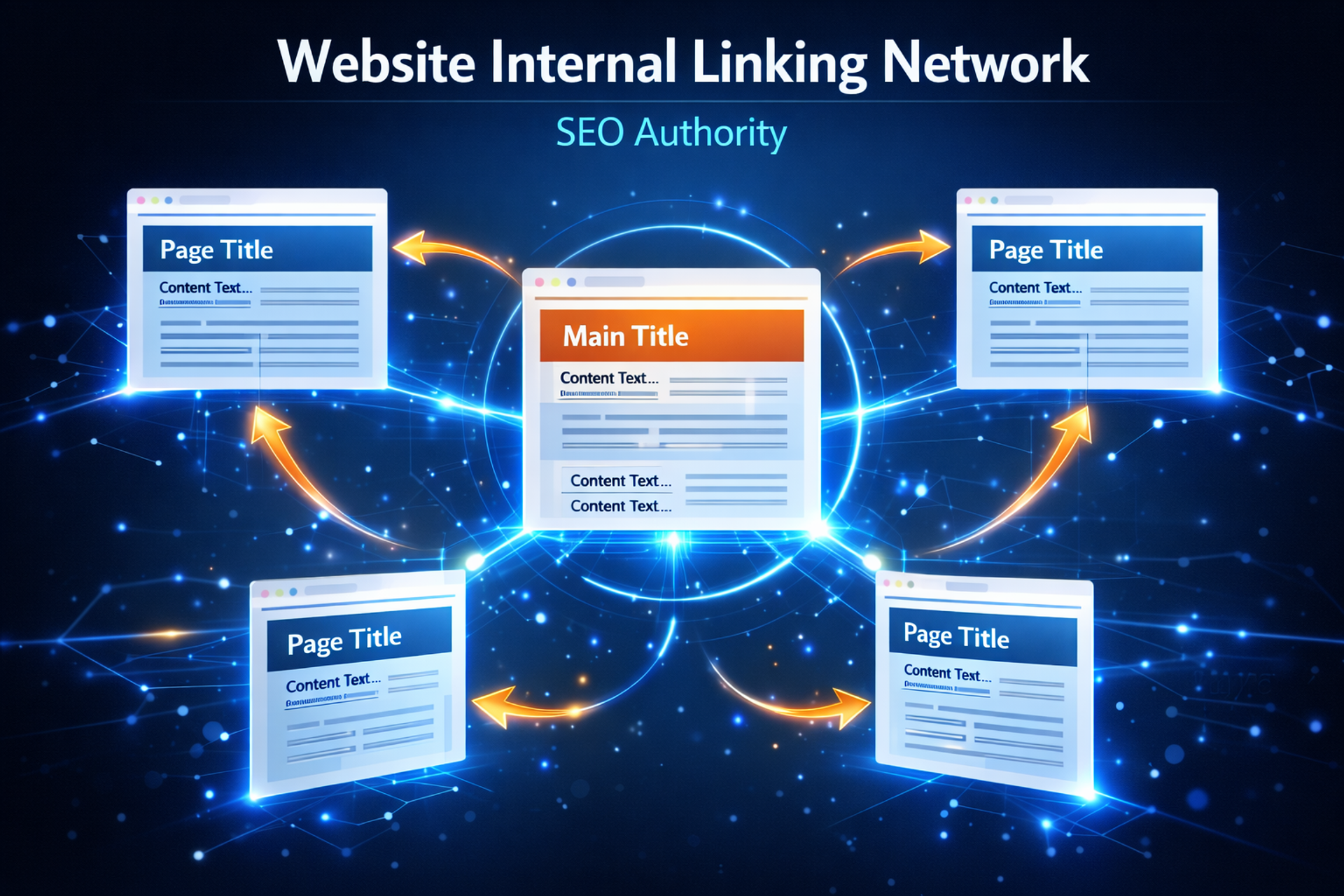
Internal links connect different pages of your website.
They help search engines understand your site structure while also passing SEO authority between pages.
More importantly, internal links guide visitors to other useful pages on your website.
For example, within an SEO blog you might link to pages about:
SEO Services
Content Marketing
Digital Marketing Services
Web Development Services
Website Design Services
These links help users discover related solutions while strengthening overall site SEO.
Step 7: Improve Page Speed and User Experience
Google strongly prioritizes websites that provide excellent user experience.
One of the most critical factors is page speed.
Slow websites increase bounce rate and reduce engagement.
To improve performance:
Compress images
Use fast hosting
Enable caching
Minimize scripts
Fast loading websites often rank better because they provide smoother experiences for users.
Another important factor is mobile optimization.
More than half of global search traffic comes from mobile devices, so responsive design is essential.
Businesses investing in Website Design Services often see dramatic improvements in both SEO and conversion rates.
Website performance and functionality must always be tested carefully, and learning these technical practices through a Software Testing Course helps ensure websites run smoothly for both users and search engines.
Step 8: Optimize Images for SEO
Images play an important role in both user engagement and SEO.
Optimized images help search engines understand visual content while improving page speed.
Best practices include:
Use descriptive filenames
Add alt text with keywords
Compress images
Use modern formats like WebP
Optimized images can also appear in Google Image Search, providing an additional source of traffic.
Step 9: Use Schema Markup
Schema markup helps search engines better understand your content.
It also increases the chance of appearing in rich results, which display extra information such as ratings, FAQs, or product details.
Common schema types include:
Article schema
FAQ schema
Product schema
Review schema
Websites using structured data often achieve higher visibility in search results.
FAQ Section
What is On-Page SEO?
On-Page SEO refers to optimizing elements within a webpage such as content, headings, meta tags, and internal links to improve search engine rankings.
Can you rank without backlinks?
Yes. High quality content, strong on-page optimization, and good user experience can help pages rank even without significant backlinks.
How long does On-Page SEO take to show results?
Most websites begin seeing improvements within 4 to 12 weeks, depending on competition and content quality.
What is the most important On-Page SEO factor?
The most important factor is valuable content that matches user intent.
How many keywords should be used in a blog?
Use keywords naturally. Focus on one primary keyword and several related keywords instead of repeating the same keyword excessively.
Conclusion
Ranking on Google does not always require a massive backlink strategy.
In many cases, proper On-Page SEO optimization alone can dramatically improve search visibility.
By focusing on high quality content, structured page layout, optimized titles, internal linking, and technical performance, websites can build strong authority in search results.
The most successful SEO strategies today focus on helping users first and search engines second.
When your content clearly answers user questions and provides real value, search engines naturally reward it with better rankings.
With AI transforming the marketing landscape, many professionals are now learning modern optimization techniques through an AI Digital Marketing Course that combines SEO with intelligent automation tools.
If you consistently apply this On-Page SEO checklist, your website will gradually attract more organic traffic, stronger engagement, and sustainable growth over time
Tags

SEO Analyst & Digital Marketing Specialist helping brands grow organically through smart strategy, data-driven insights, and powerful content.