
How to Write Test Cases: Step-by-Step Template and Examples
Learn the anatomy of a great test case, compare good vs bad examples, grab a free template, avoid common mistakes, and apply QA tips for real projects at Cinute Digital Pvt Ltd.
A practical how to for CDPL learners and partner teams. Use a simple template, see good vs bad examples, and write test cases that are clear, repeatable, and traceable.
Introduction
Clear test cases help teams at Cinute Digital Pvt Ltd (CDPL) move fast without breaking quality. A good test case is easy to read, repeatable by anyone on the team, and tied to a requirement or risk. This guide shows the anatomy, good vs bad examples, a copy ready template, common mistakes to avoid, and practical QA tips.
Anatomy of a High Quality Test Case
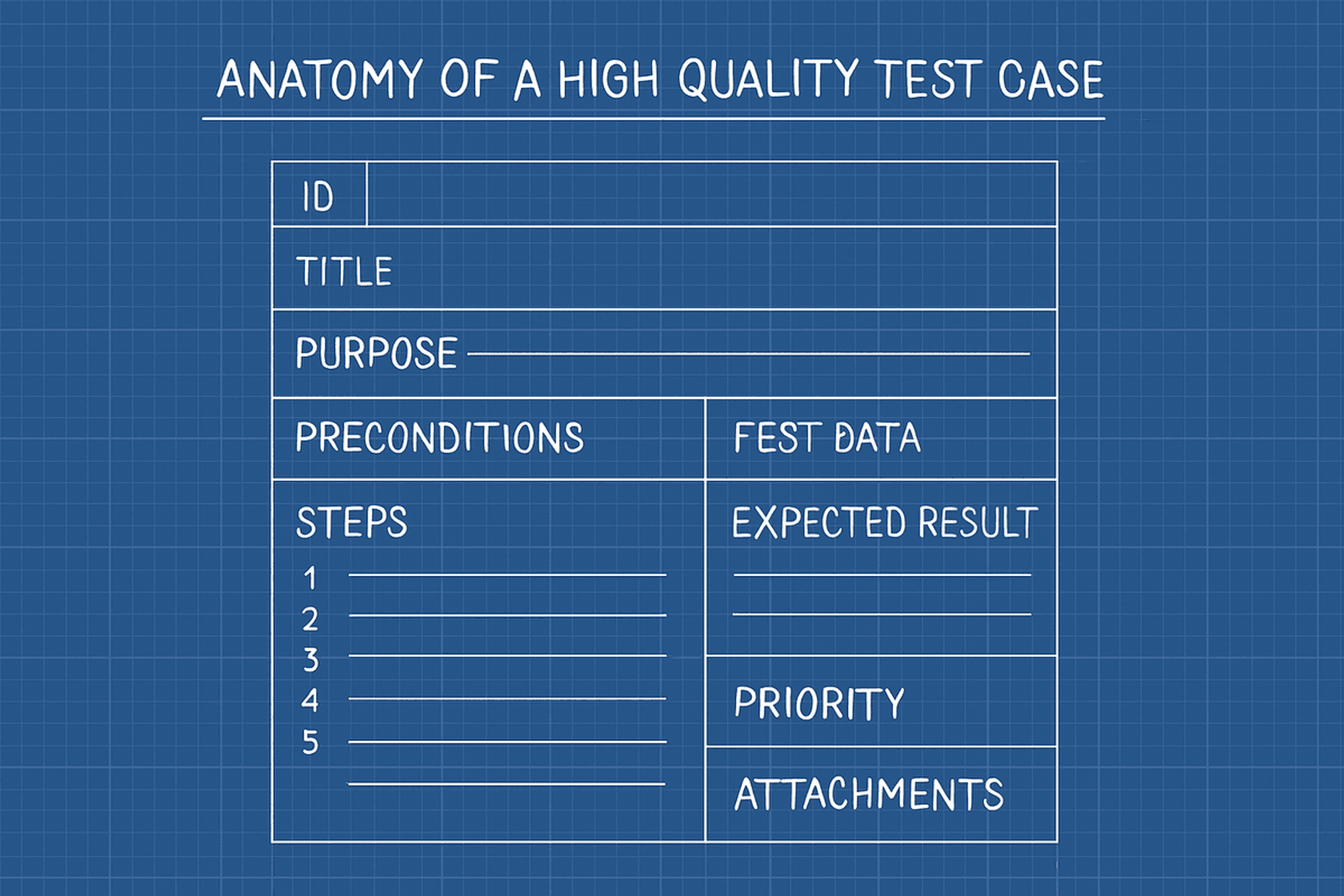
- ID: unique and meaningful, for example
TC-LOGIN-001. - Title: short action oriented description.
- Purpose or Requirement ID: trace to user story or spec.
- Preconditions: state, role, or data required before running.
- Test Data: concrete values and boundary values.
- Steps: numbered actions a tester can follow without guessing.
- Expected Result: observable outcome that proves success or failure.
- Priority and Tags: risk, module, release, smoke or regression.
- Attachments or Evidence: screenshots, logs, or recordings when needed.
Good vs Bad Test Case Examples

Login example
Specific steps and outcomes remove ambiguity
Checkout example
Good cases are deterministic and verifiable
Free Test Case Template

Use this lightweight template in your test management tool or spreadsheet.
Minimal template that fits most projects
Tip for CDPL learners: keep IDs stable across releases and add a changelog note when steps or expected results change.
Common Mistakes to Avoid

- Vague steps: write actions a new tester can follow.
- Multiple outcomes in one case: split into separate cases.
- No test data: add real and boundary values.
- Missing traceability: always link to a story or requirement ID.
- Unmaintained suites: review and retire duplicates every release.
QA Tips that Raise Quality

- Start with smoke coverage: a small set that runs on every build.
- Use a checklist for consistency: preconditions, data, steps, expected result, and evidence.
- Pair on first runs: author and reviewer execute once to validate clarity.
- Track status with a matrix: map cases to requirements and show pass or fail per release.
- Promote high value cases to automation: focus on stable critical paths like login and checkout.
Conclusion
Great test cases are short, clear, and repeatable. Use the template, model your writing on the good examples, and link every case to a requirement so leaders can see coverage at a glance. With these habits, CDPL learners and partner teams can collaborate smoothly and ship reliable features.
Tags

Shoeb Shaikh is a seasoned Software Testing and Data Science Expert and a Mentor with over 14 years of experience in the field. Specialist in designing and managing processes, and leading high-performing teams to deliver impactful results.