
AI in Healthcare Examples: How Artificial Intelligence Is Changing Modern Medicine
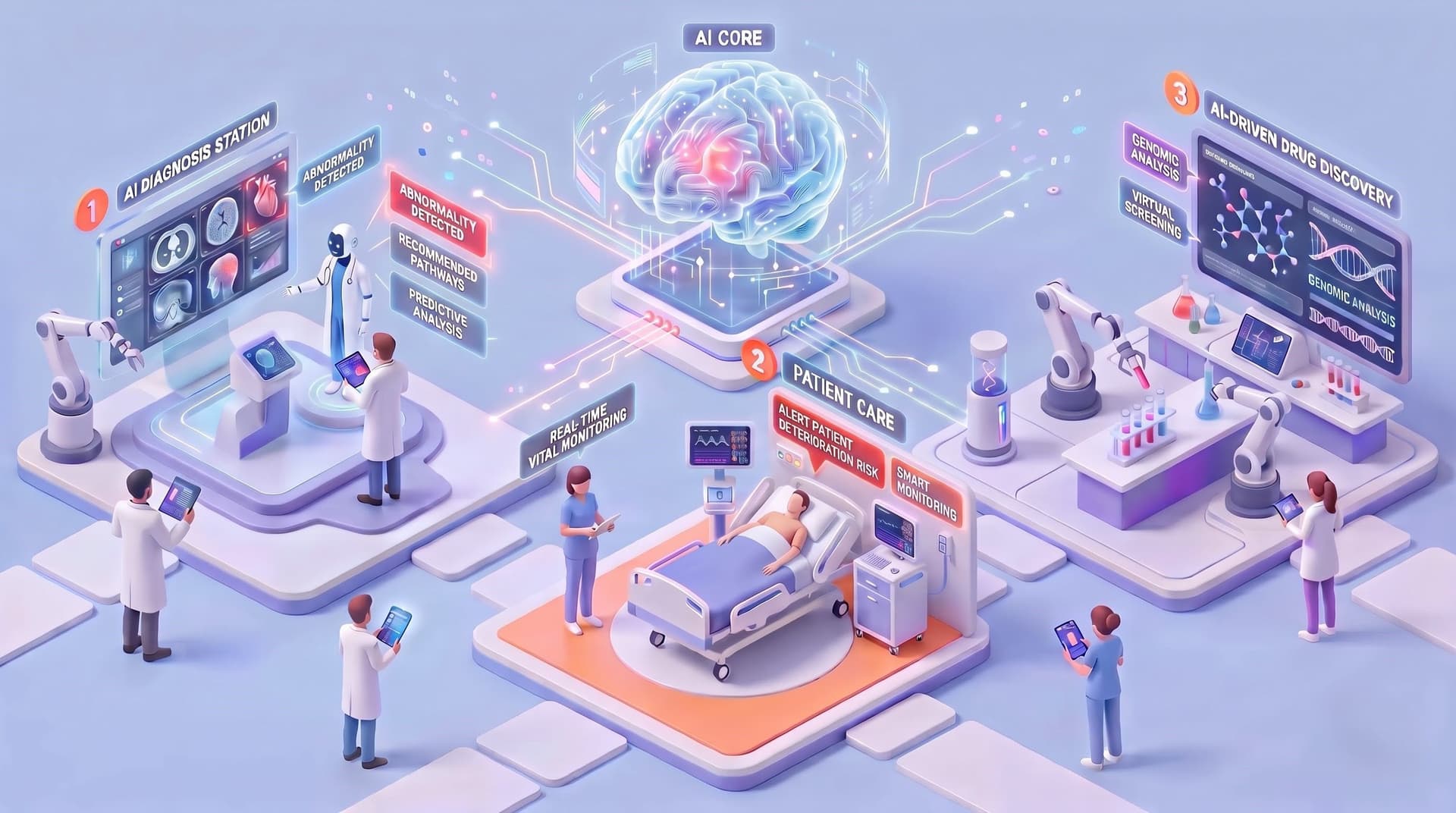
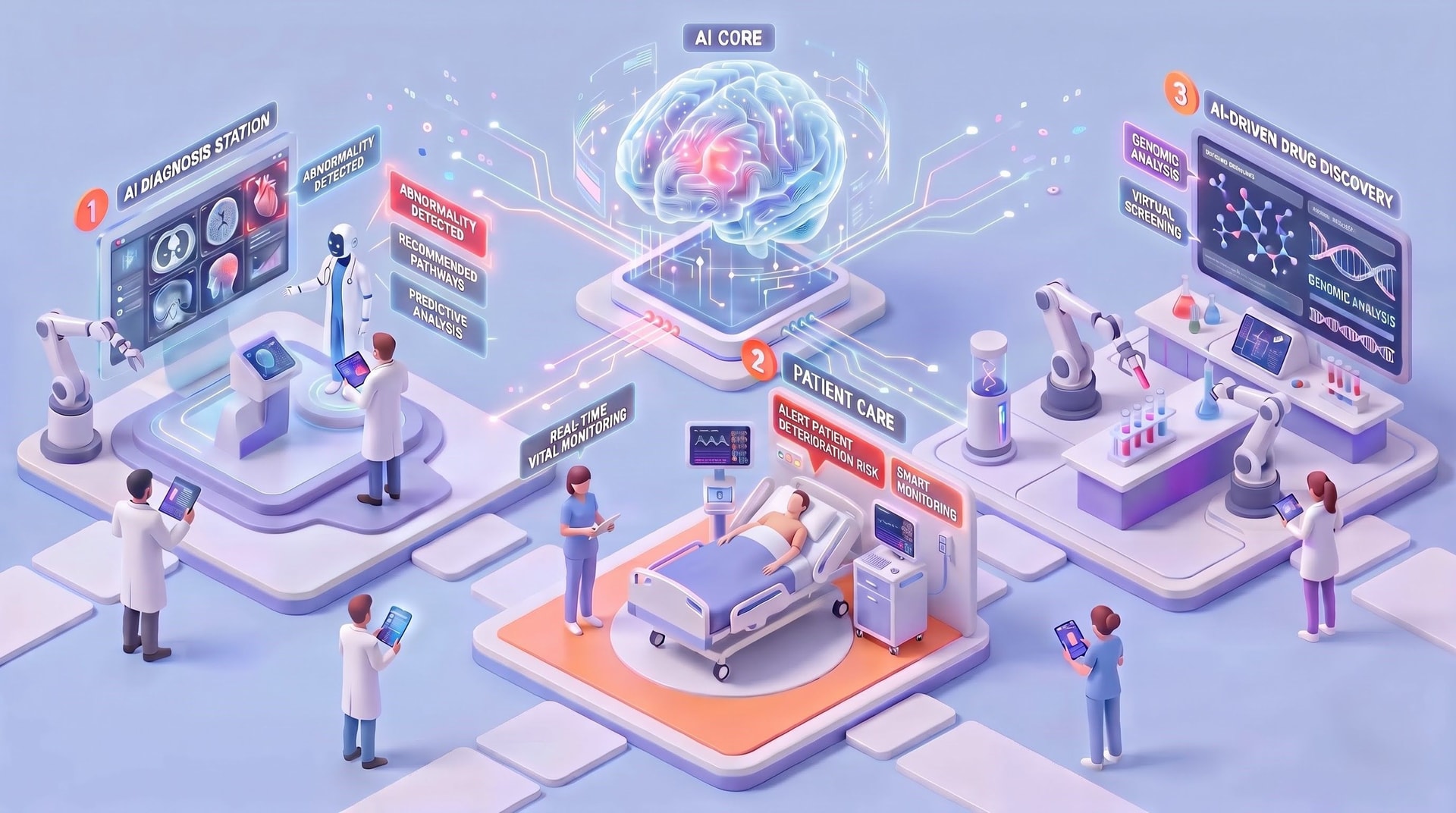
From AI-powered diagnosis to robotic surgery and virtual health assistants, artificial intelligence is reshaping how doctors treat patients and how hospitals function. Here are the clearest, real-world examples of AI in healthcare explained in simple terms plus how you can build a career in this fast-growing field.
A beginner-friendly, SEO-optimized blog explaining real examples of AI in healthcare, including diagnosis, drug discovery, robotic surgery, remote monitoring, and personalized medicine, with practical insights on how professionals can upskill in AI and data science.
Not long ago, artificial intelligence in healthcare sounded like something out of a science fiction movie. Today, it is quietly running in the background of hospitals, clinics, and even the health app on your phone. From reading X-rays in seconds to predicting a patient's risk of heart disease before symptoms appear, AI in healthcare examples are no longer rare they are becoming the new normal.
If you have ever wondered how exactly artificial intelligence is used in medicine, this blog breaks it down in plain, simple language. No heavy jargon, just real examples you can actually understand and relate to whether you're a patient, a healthcare professional, or someone exploring a career shift into health-tech.
What Does "AI in Healthcare" Really Mean?
At its core, AI in healthcare means using computer systems that can learn from data, recognize patterns, and make predictions or decisions the way a human doctor might, but much faster and at a much larger scale. This includes technologies like machine learning, deep learning, computer vision, and natural language processing.
Instead of replacing doctors, most AI systems are designed to support them: catching things the human eye might miss, reducing paperwork, speeding up diagnosis, and helping hospitals run more efficiently. Professionals looking to specialize in this space often start with a structured Data Science and AI program that covers exactly how these systems are built.
Why AI Matters So Much in Healthcare Today
Healthcare generates an enormous amount of data every single day lab reports, scans, prescriptions, patient history, and more. No human team can manually process all of this information quickly enough. AI steps in to:
- Analyze thousands of medical images or records within seconds
- Spot early warning signs that are easy for humans to overlook
- Reduce the time it takes to diagnose a disease
- Cut down administrative and paperwork-related delays
- Make healthcare more accessible in remote or underserved areas
This is exactly why hospitals, insurance companies, and health-tech startups are investing heavily in artificial intelligence and why demand for skilled AI and machine learning professionals in healthcare continues to grow rapidly, both in India and globally.
Top AI in Healthcare Examples You Should Know
Let's look at the clearest, most practical examples of how AI is already being used in the healthcare industry today.
1. AI in Medical Diagnosis and Imaging
One of the most powerful AI in healthcare examples is in radiology and diagnostic imaging. AI algorithms, especially deep learning models, are trained on thousands of X-rays, MRIs, and CT scans to detect abnormalities such as tumours, fractures, or signs of pneumonia.
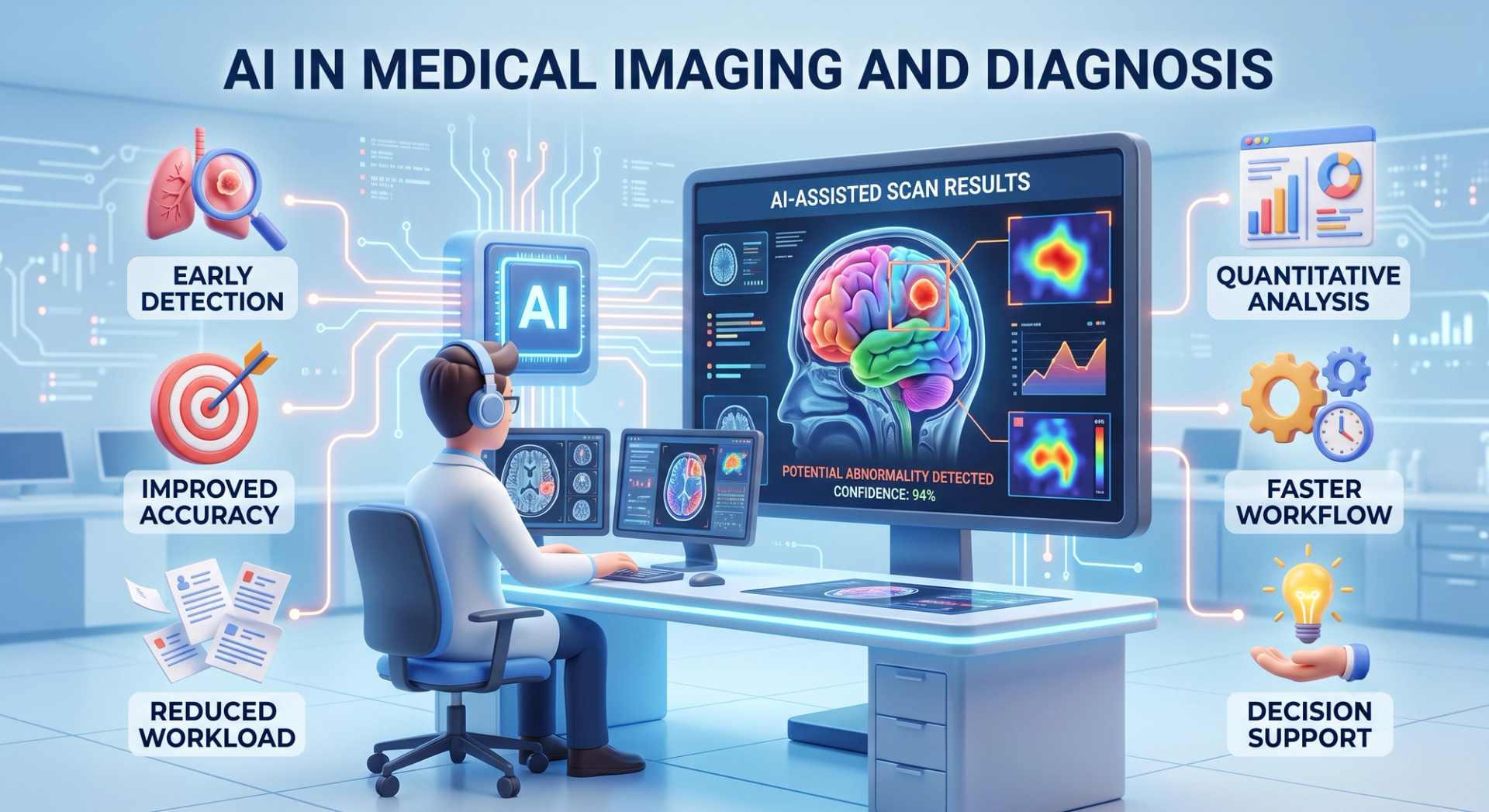
These systems don't get tired, don't lose focus after long shifts, and can flag potential issues for a human radiologist to double-check. This combination of AI speed and human judgement has significantly improved early detection rates for conditions like breast cancer and diabetic retinopathy (an eye disease caused by diabetes).
2. AI-Powered Virtual Health Assistants and Chatbots
Many hospitals and health apps now use AI chatbots to answer patient questions, schedule appointments, and even provide basic symptom checks before a doctor's visit. These virtual assistants use natural language processing to understand what a patient is typing or saying and respond in a helpful, human-like way.
This reduces the load on front-desk staff and call centres, while giving patients instant answers at any time of day. It is one of the simplest, most visible AI in healthcare examples that most people have already experienced without even realizing it.
3. Predictive Analytics for Patient Care
Predictive analytics uses historical patient data to forecast future health events. For example, hospitals use AI models to predict which patients are at higher risk of readmission, sepsis, or complications after surgery often before any visible symptoms appear.
This allows medical teams to intervene early, adjust treatment plans, and in many cases, prevent emergencies altogether. Learners who want to work on this kind of predictive modelling usually build their foundation through a Machine Learning and Data Science with Python program, since prediction models rely heavily on strong Python and statistics skills.
4. AI in Drug Discovery and Development
Developing a new medicine traditionally takes years and costs enormous amounts of money. AI is dramatically speeding up this process by analyzing massive datasets of chemical compounds and predicting which ones are most likely to work as effective treatments.
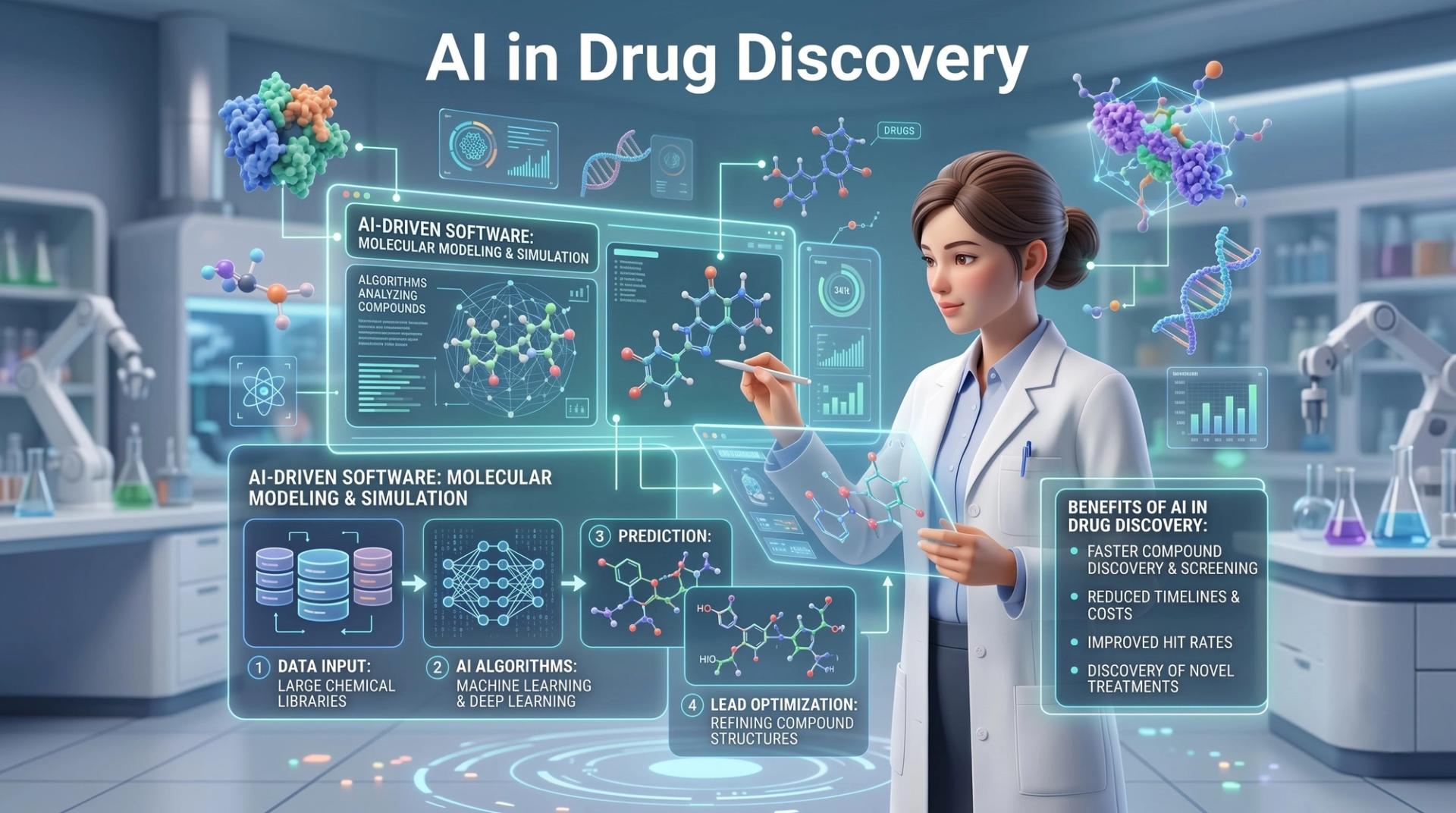
This was seen clearly during global vaccine development efforts, where AI tools helped researchers narrow down promising compounds much faster than traditional lab-based trial and error. It is also being used to identify new uses for existing drugs, which saves both time and cost.
5. Robotic-Assisted Surgery
Robotic surgery systems, guided by AI, allow surgeons to perform complex, minimally invasive procedures with greater precision and control. The AI component helps with real-time image guidance, stabilizing instruments, and reducing human hand tremors during delicate operations.
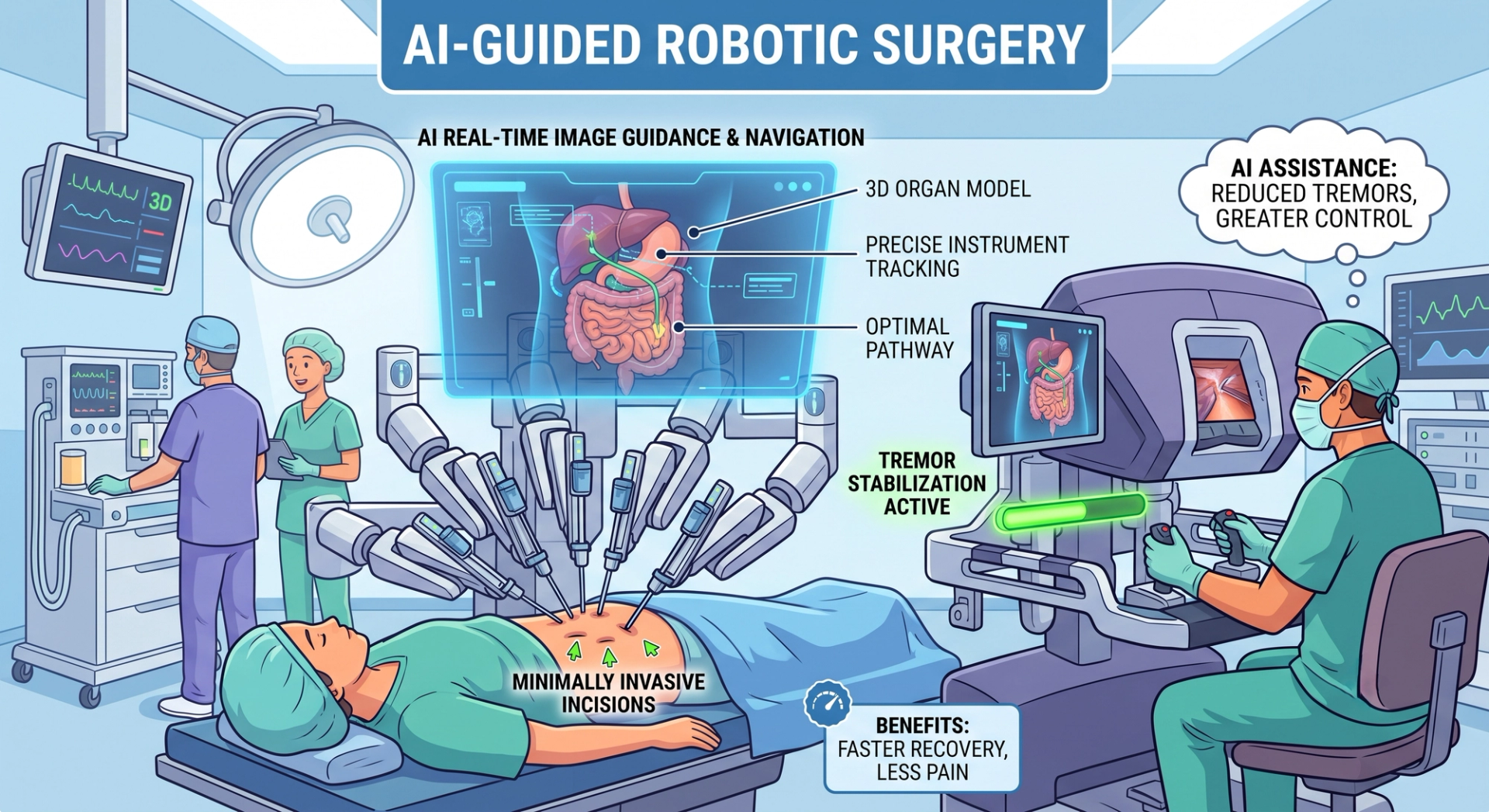
Patients often benefit from smaller incisions, less pain, and faster recovery times. While a human surgeon is always in control, the AI-assisted system acts like an extremely precise support tool, making surgeries safer and more consistent.
6. AI in Electronic Health Records (EHR) Management
Doctors spend a significant portion of their time on documentation instead of patient care. AI-powered tools can now automatically transcribe doctor-patient conversations, summarize clinical notes, and organize electronic health records accurately.
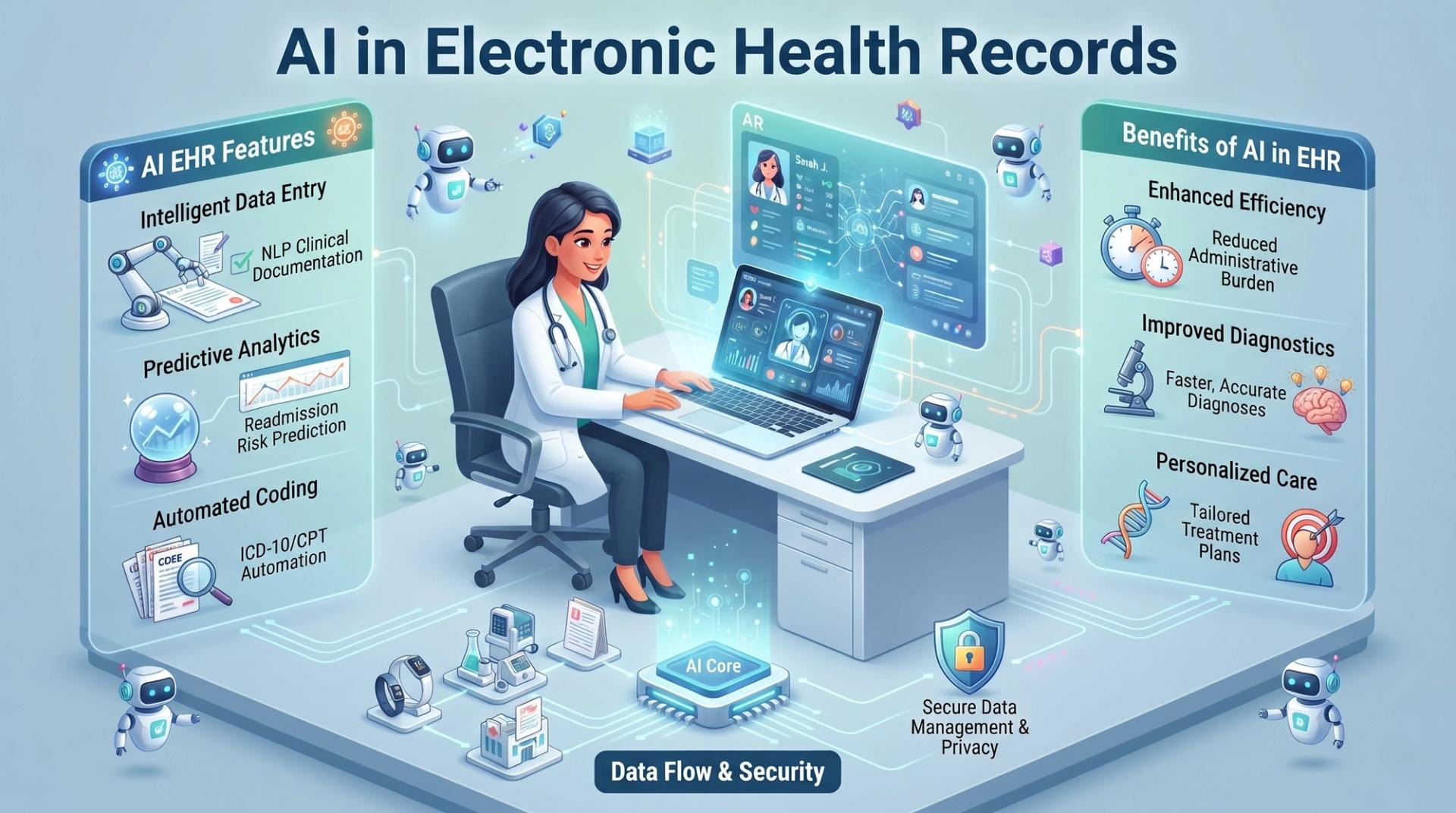
This reduces burnout among healthcare staff and ensures that patient information is more organized, searchable, and error-free. It's a behind-the-scenes example of AI in healthcare that directly improves the quality of care patients receive.
7. Remote Patient Monitoring and Wearable Devices
Smartwatches and wearable health devices now track heart rate, oxygen levels, sleep patterns, and even irregular heart rhythms in real time. AI algorithms continuously analyze this data and alert users or their doctors if something looks abnormal.
This is especially valuable for patients with chronic conditions like diabetes or heart disease, as well as elderly patients living independently. Instead of waiting for a scheduled check-up, potential issues can be caught and addressed immediately, sometimes even before the patient notices any symptoms.
8. AI in Personalized Medicine
Every patient responds differently to treatment based on genetics, lifestyle, and medical history. AI is enabling personalized medicine by analyzing a patient's unique data to recommend the most effective, individualized treatment plan rather than a generic, one-size-fits-all approach.
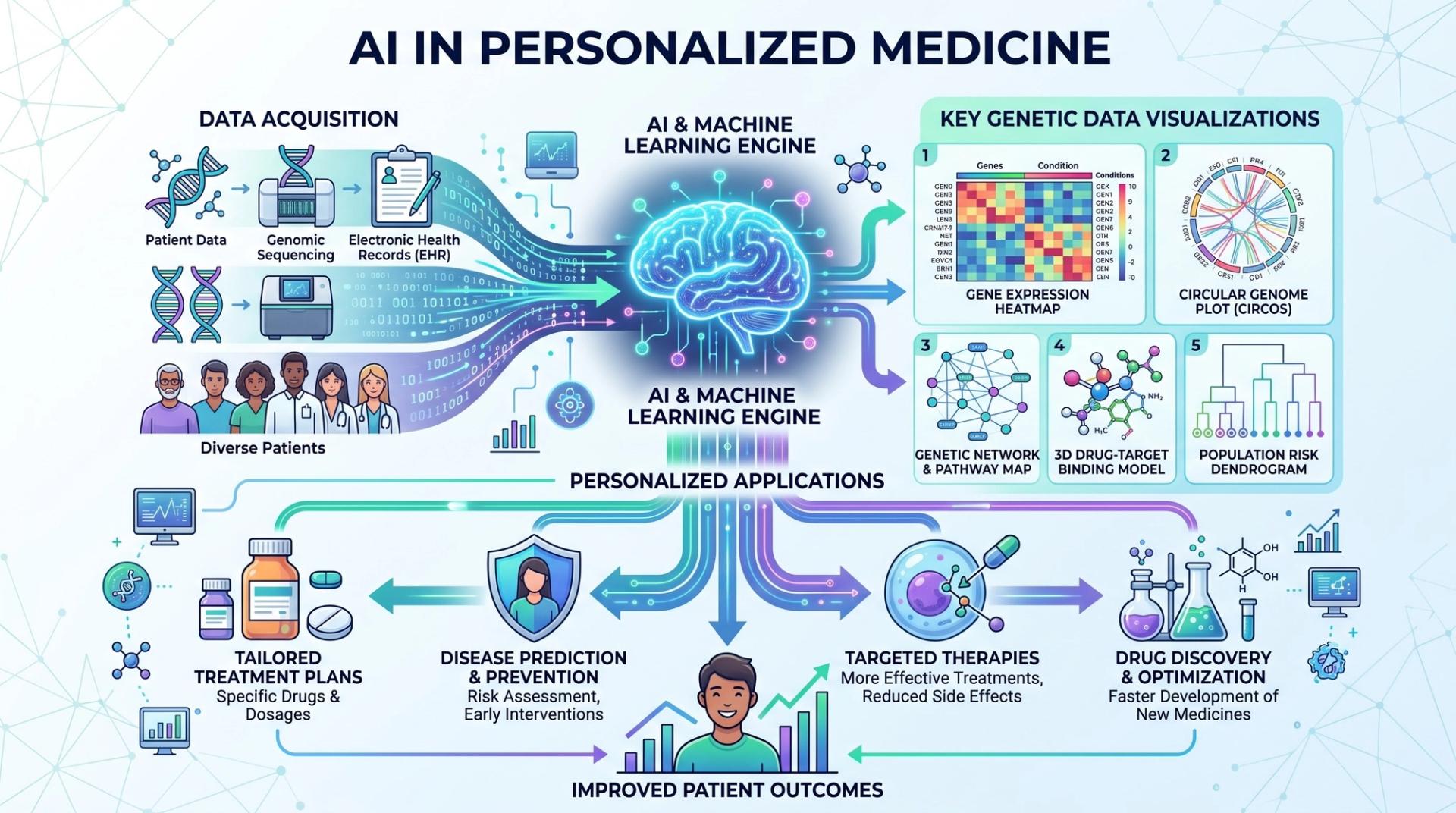
This is particularly transformative in cancer treatment, where AI helps identify which therapies are likely to work best for a specific patient's tumour type, improving outcomes while reducing unnecessary side effects.
Challenges of Using AI in Healthcare
While the benefits are impressive, AI in healthcare isn't without its challenges:
- Data privacy concerns - patient data is highly sensitive and must be protected
- Bias in AI models - if training data isn't diverse, results can be inaccurate for certain groups
- Need for human oversight - AI should support doctors, not replace clinical judgement
- High implementation costs - smaller clinics may struggle to adopt advanced AI tools
- Regulatory approval - medical AI tools must go through strict testing before real-world use
These challenges are exactly why skilled professionals who understand both AI models and how to apply them responsibly are in such high demand across the healthcare and health-tech industry.
The Future of AI in Healthcare
Looking ahead, AI in healthcare is expected to become even more integrated into everyday medical practice. We're likely to see more advanced generative AI tools assisting with clinical research, smarter virtual health assistants, and AI systems that can explain their reasoning to doctors in a transparent, trustworthy way.
Emerging fields like generative AI and large language models are already being explored for medical research summarization and clinical documentation, which is a rapidly growing area within Deep Learning, NLP and Generative AI training.
How to Build a Career in Healthcare AI
If reading about these AI in healthcare examples has sparked your curiosity, the good news is that this is one of the fastest-growing career paths in technology today. Healthcare organizations, hospitals, and health-tech startups are actively hiring professionals skilled in machine learning, data science, and AI-powered analytics.
To get started, it helps to build a strong foundation through a structured, hands-on Artificial Intelligence course that covers real-world applications rather than just theory. For those interested in the tools shaping modern healthcare AI, exploring Prompt Engineering with Generative AI is also a smart next step, since many hospitals are beginning to experiment with generative AI for documentation and research support.
At Cinute Digital, learners get access to live projects, expert mentorship, and placement support designed to make them job-ready. You can also explore the broader Data Science overview to understand which specialisation fits your career goals best, and check out real student placement success stories to see how others have transitioned into tech careers. For more industry insights and updates, the AI & Machine Learning blog section is a great place to keep learning.
FAQs on AI in Healthcare
Is AI replacing doctors?
No. Most AI in healthcare examples are designed to assist doctors by speeding up diagnosis, reducing paperwork, and flagging risks while final medical decisions remain in human hands.
Which AI in healthcare examples are most widely used today?
Medical imaging analysis, AI chatbots for patient queries, predictive analytics for readmission risk, and remote patient monitoring through wearables are among the most common real-world applications right now.
Is healthcare data safe when AI is used?
Reputable healthcare AI systems follow strict data protection and privacy regulations. However, patients and providers should always confirm that any AI tool used complies with relevant healthcare data security standards.
Do I need a medical background to work in healthcare AI?
Not necessarily. Many professionals enter this field through a strong data science and machine learning foundation and then specialize in healthcare applications on the job or through project-based learning.
Final Thoughts
Artificial intelligence in healthcare is no longer a futuristic concept it's already improving how diseases are diagnosed, how drugs are developed, how surgeries are performed, and how patients are monitored every single day. These AI in healthcare examples show that the technology works best when it supports human doctors rather than replacing them.
As AI continues to grow across every industry, healthcare remains one of the most meaningful and impactful fields to apply it in. Whether you're a healthcare professional curious about technology, or a tech enthusiast interested in making a real-world difference, now is the perfect time to build your skills in this space.
Tags

Cezzane Khan is a dedicated and innovative Data Science Trainer committed to empowering individuals and organizations.