
What is Manual Testing? Basics, Types, and Real-Time Examples
Manual testing is the foundation of software quality assurance and the first step for anyone starting a career in software testing. This beginner-friendly guide explains what manual testing is, its basics, types, real-time examples, and career scope in simple language to help you build a strong QA foundation.
Learn the fundamentals of software quality assurance with this beginner-friendly guide to QA testing concepts, test case creation, defect reporting, and real-world project scenarios. Perfect for freshers exploring a career in software validation and quality control.
Manual testing is one of the most important foundations in software testing and quality assurance. It is the process of testing software applications manually without using automation tools to identify bugs, defects, and usability issues. For beginners entering the IT industry, understanding what is manual testing and how it works is the first step toward building a strong career in software testing.
In this guide, you will learn the basics of manual testing, its different types, real-time examples, practical workflow, career opportunities, and how beginners can start learning effectively. Whether you are a student, fresher, or career switcher, this article will give you clarity in simple and easy language.
What is Manual Testing in Software Testing?
Manual testing is a type of software testing where testers execute test cases manually without the help of automation tools. The tester checks the application by interacting with it like a real user. The main goal is to ensure that the software behaves as expected and meets the business requirements.

In manual testing, testers read requirement documents, understand features, design test cases, execute them step by step, identify defects, and report bugs. It requires logical thinking, attention to detail, and a clear understanding of user behaviour.
Unlike automation testing, manual testing focuses more on human observation. It is especially useful in the early stages of development, usability testing, and exploratory testing.
Cinute Digital is a leading Software Testing Training Institute helping students build strong QA careers.
Why Manual Testing is Important for Beginners
Before jumping into automation tools, every beginner must understand manual testing basics. It builds strong fundamentals in:
- Understanding software lifecycle
- Reading requirement documents
- Writing effective test cases
- Identifying edge cases
- Reporting bugs clearly
Manual testing helps testers understand how applications function internally and externally. Without this foundation, automation becomes mechanical and ineffective.
For anyone planning to join a Software Testing Course, mastering manual testing is the first milestone toward becoming a professional QA engineer.
Basics of Manual Testing
To understand manual testing clearly, we need to explore its core components.
Software Development Life Cycle (SDLC)
The SDLC defines how software is developed from requirement gathering to deployment. Testers must understand SDLC because testing activities depend on development stages.
Software Testing Life Cycle (STLC)
STLC defines the stages of testing such as requirement analysis, test planning, test case design, environment setup, test execution, and test closure. Each phase ensures quality control.
Test Case
A test case is a document that describes how to test a specific functionality. It includes test steps, expected results, and actual results. Writing clear test cases is a core skill in manual testing.
Bug or Defect
When actual output does not match expected output, it is called a defect. Reporting bugs clearly with proper steps, screenshots, and severity levels is crucial.
These basics form the backbone of manual testing tutorial for beginners.
Types of Manual Testing
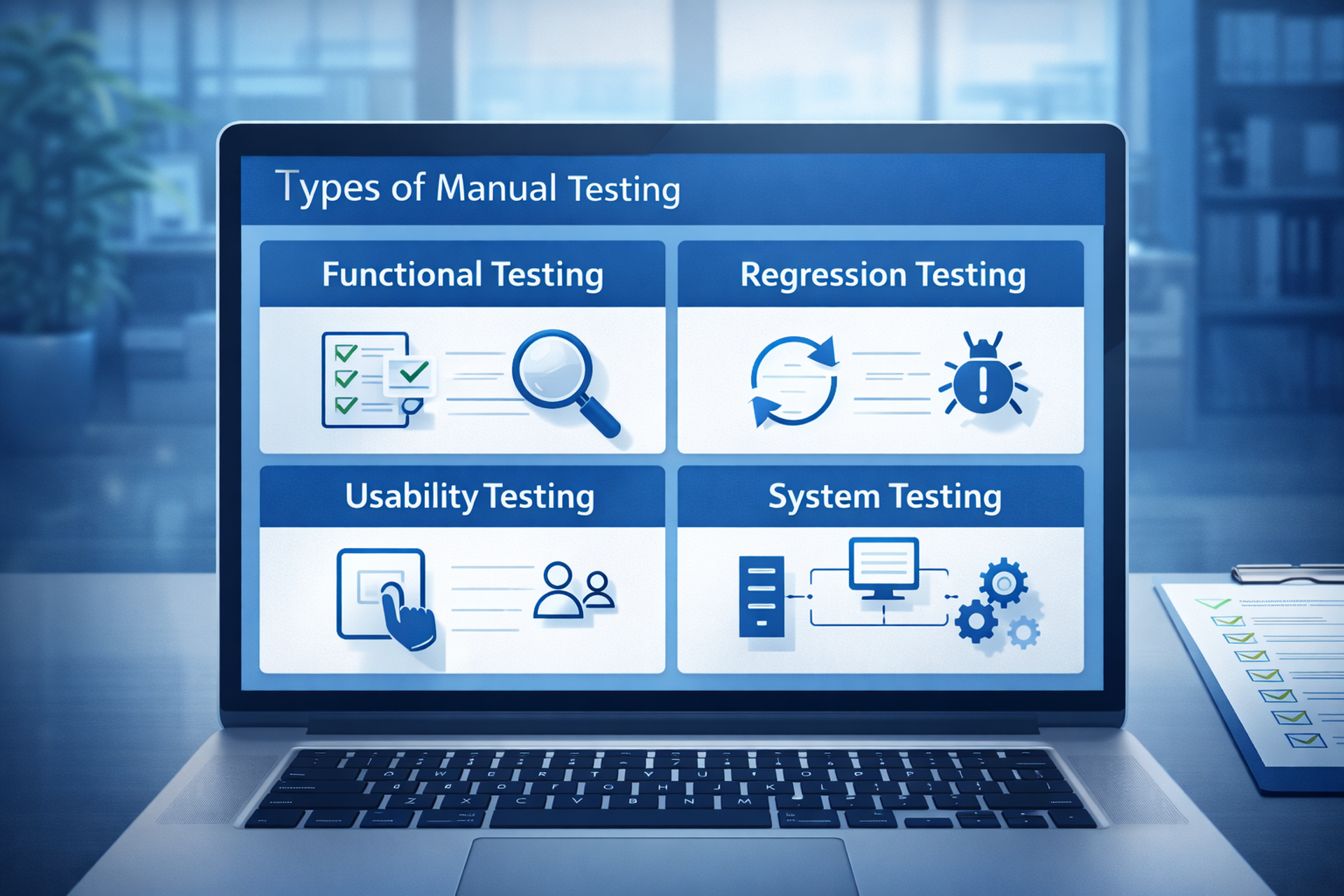
Manual testing includes different testing types depending on project requirements.
Functional testing verifies whether the software works according to specified requirements. For example, checking whether the login page accepts valid credentials and rejects invalid ones. Usability testing focuses on user experience. It checks whether the application is easy to use, visually appealing, and user-friendly.
Regression testing ensures that new updates or bug fixes do not affect existing features. Whenever developers make changes, testers recheck related functionalities.
System testing evaluates the complete system as a whole. It verifies that all modules work together smoothly.
Acceptance testing validates whether the system meets business requirements and is ready for deployment.
Understanding these types helps beginners gain clarity on manual testing real-time examples used in projects.
Real-Time Example of Manual Testing
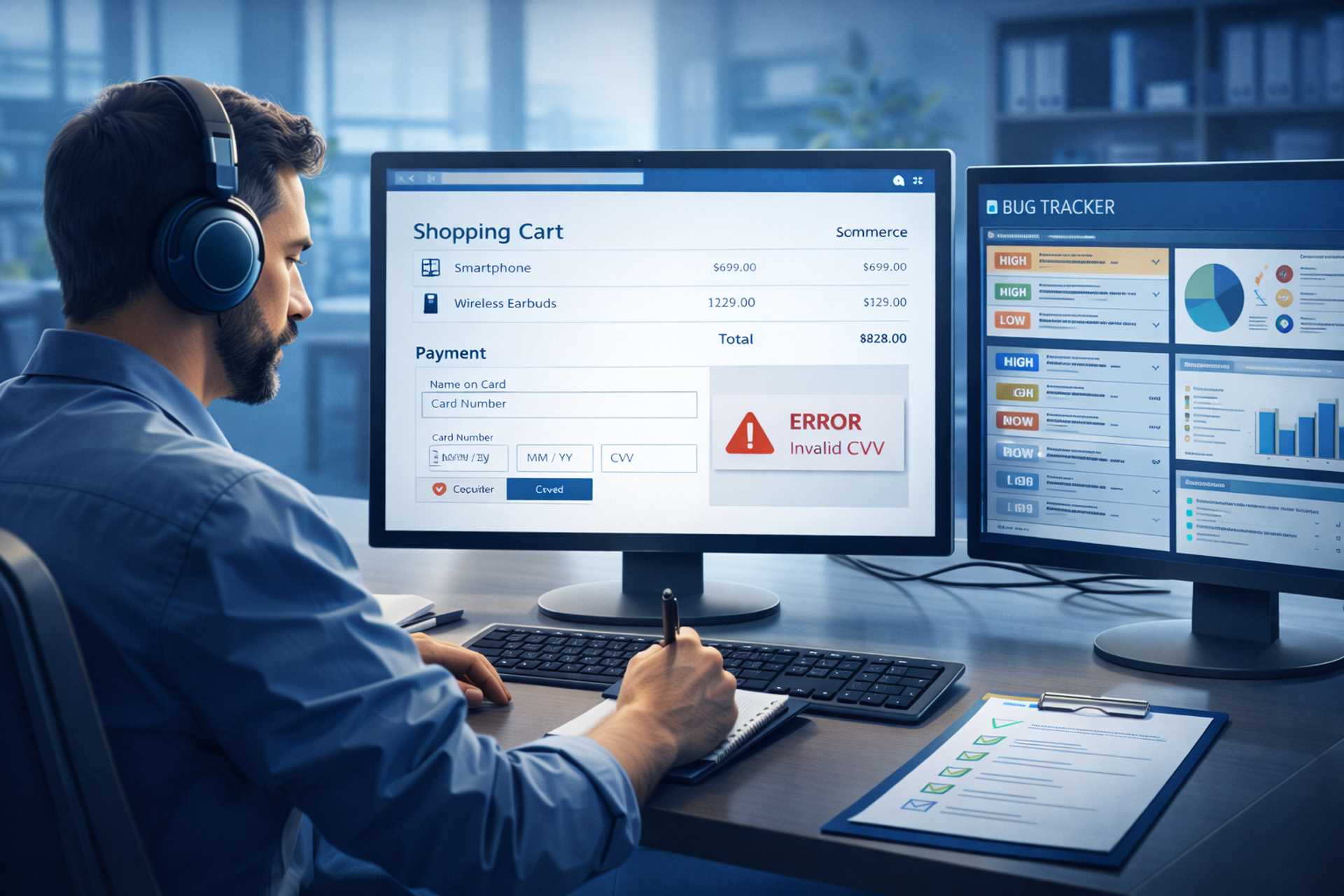
Let’s consider a real-time example of testing an e-commerce website.
A tester receives a requirement that users should be able to add products to the cart and complete payment successfully. The tester will first create test cases covering different scenarios. These may include adding one product, adding multiple products, checking discount calculations, verifying tax amounts, and completing payment using different payment methods. The tester then executes each test case manually. If the payment fails even after entering valid card details, the tester logs a defect with screenshots and steps to reproduce the issue.
Another example is testing a login page. The tester verifies valid credentials, invalid credentials, empty fields, password length limits, and special characters. These real-time scenarios reflect how manual testing works in live projects.
Manual Testing Process in Real Projects
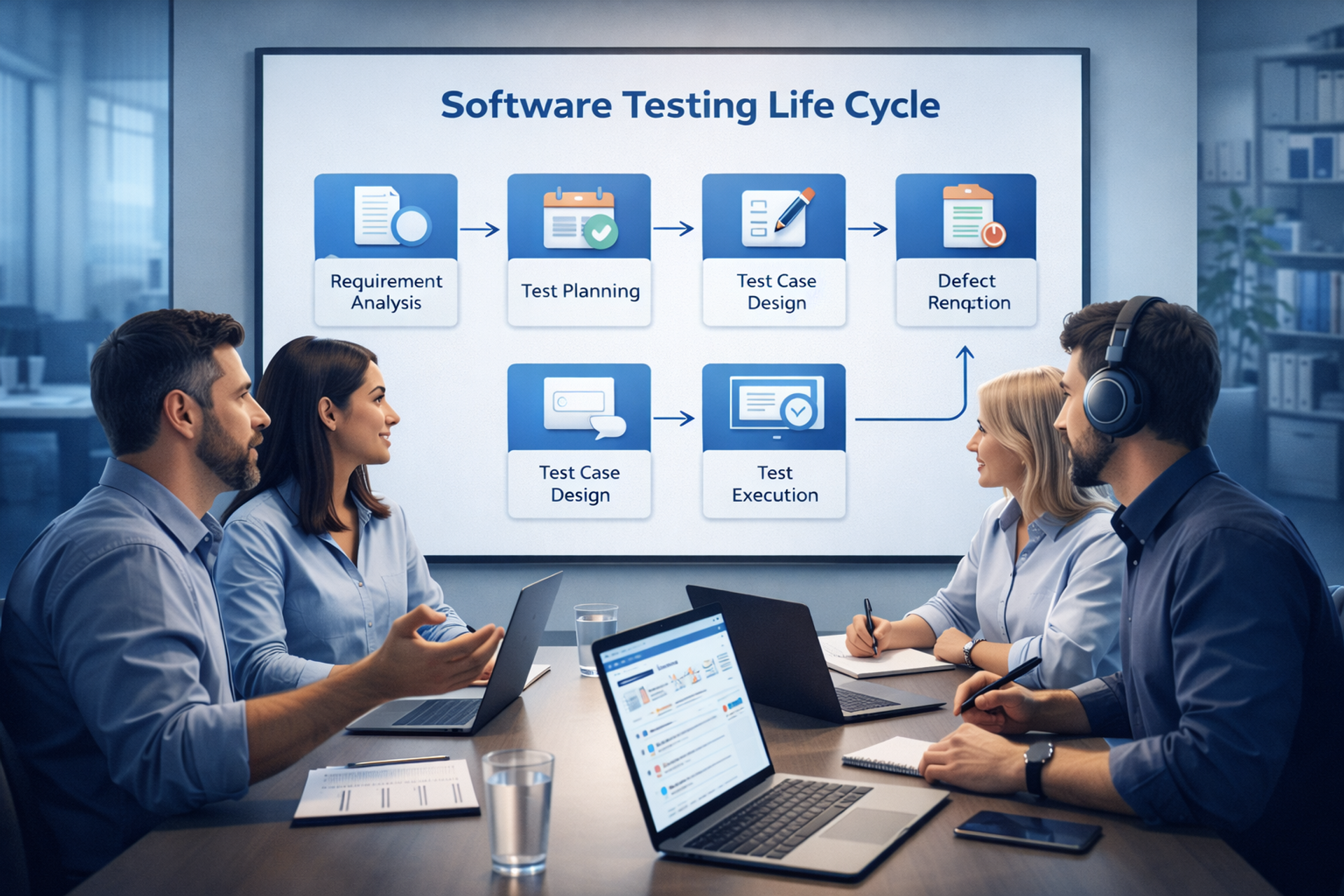
In real-time projects, manual testing follows a structured workflow.
It begins with requirement analysis. Testers carefully study business requirements and clarify doubts with stakeholders. Next comes test planning, where strategy, timelines, and resources are defined.
After planning, testers design detailed test cases and prepare test data. Once the environment is ready, test execution begins. Testers execute test cases one by one and compare actual results with expected outcomes.
If any deviation occurs, defects are logged in bug tracking tools. Developers fix the bugs, and testers perform retesting and regression testing to confirm stability.
Finally, a test summary report is prepared, and the application moves toward deployment.
This structured approach ensures high-quality software delivery.
Skills Required to Become a Manual Tester
To build a strong manual testing career path, beginners must focus on developing key skills.Communication skills are essential because testers interact with developers, managers, and clients. Analytical thinking helps in identifying complex bugs. Attention to detail ensures that even small defects are not missed.
Basic knowledge of SQL, understanding of databases, and familiarity with bug tracking tools are added advantages.
Students interested in professional growth can enroll in a Manual Testing Training program to gain hands-on experience.
Manual Testing vs Automation Testing
Many beginners wonder whether to choose manual or automation testing. Manual testing focuses on human observation and is best for exploratory and usability testing. Automation testing uses tools and scripts to execute repetitive test cases quickly.
For freshers, starting with manual testing is recommended. It builds a strong conceptual foundation. Once confident, learning automation tools becomes easier.
Choosing the right Testing Certification Program can help beginners gain structured knowledge and industry recognition.
Career Scope of Manual Testing in 2026
Manual testing continues to be in demand, especially for freshers. Many companies hire entry-level QA testers to ensure product quality before release.
The salary of a beginner manual tester in India ranges from moderate to competitive, depending on skills and location. With experience, professionals can move into senior QA roles, test lead positions, or transition into automation testing.
A well-structured Job-Oriented Testing Course can significantly increase placement opportunities.
How to Start Learning Manual Testing
Beginners should first understand software fundamentals and testing concepts. Reading documentation, practicing writing test cases, and testing sample applications help improve skills.
Hands-on practice is crucial. Practical exposure through live projects builds confidence and industry readiness.
For structured learning and placement support, enrolling in a professional QA Testing Classes program can accelerate career growth.
Frequently Asked Questions (FAQs)
What is manual testing in simple words?
Manual testing is the process of checking software manually without using automation tools to find bugs and ensure quality.
Is manual testing easy for beginners?
Yes, manual testing is beginner-friendly because it focuses on understanding application behavior rather than coding.
Does manual testing require programming?
Basic manual testing does not require programming knowledge, but understanding technical concepts is helpful.
What is the difference between manual testing and automation testing?
Manual testing is performed by humans without scripts, while automation testing uses tools and scripts to execute tests automatically.
Is manual testing a good career in 2026?
Yes, manual testing remains a strong entry point into the IT industry with good career growth opportunities.
Conclusion
Manual testing is the foundation of software quality assurance. It plays a crucial role in ensuring that applications function correctly, meet business requirements, and deliver a smooth user experience. For beginners, understanding what is manual testing, learning its basics, exploring different types, and practicing real-time examples builds a strong base for long-term success.
With consistent practice, proper guidance, and structured learning, anyone can start a successful career in software testing. Choosing a Professional Testing Institute ensures structured learning and placement guidance. As the IT industry continues to grow, the demand for skilled QA professionals remains strong. Building expertise in manual testing basics
Tags

A Manual Tester in TESTRIQ QA LLP and also as Corporate Trainer with CDPL. With a focused career in training and development.