
Agentic AI & Autonomous Workflows
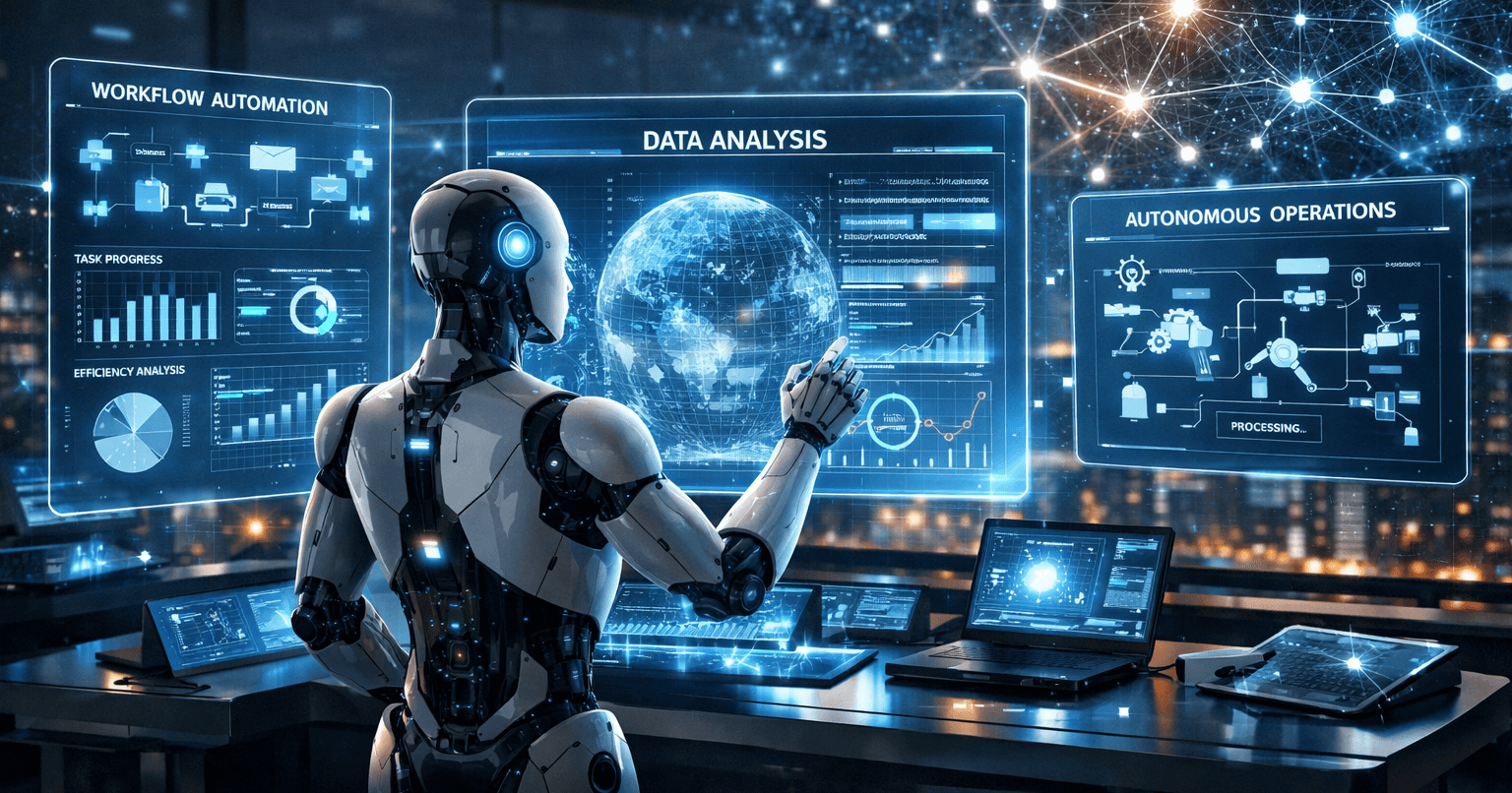
Agentic AI & Autonomous Workflows are redefining Artificial Intelligence by enabling systems to plan, reason, and execute tasks independently. Unlike traditional automation, AI agents adapt in real time, optimize business processes, and drive intelligent decision-making. Explore how this next-generation AI technology is transforming digital operations, productivity, and enterprise growth.
Agentic AI & Autonomous Workflows are transforming Artificial Intelligence by enabling systems to think, decide, and act independently. Discover how AI agents, automation, and intelligent systems are shaping the future of business innovation.
Agentic AI & Autonomous Workflows represent the next evolution in Artificial Intelligence, where systems no longer just respond to commands but actively plan, reason, and execute tasks independently. Unlike traditional automation, agentic AI systems understand context, adapt to real-time changes, and complete multi-step objectives without constant human supervision.
As industries rapidly adopt AI-driven automation, organizations are moving toward intelligent, self-operating systems that improve productivity and reduce operational complexity. From marketing to healthcare and finance, autonomous workflows are redefining efficiency and scalability. This article explains how AI agents work, why they matter, and how businesses can leverage them for long-term digital growth.
Understanding Agentic AI in Artificial Intelligence
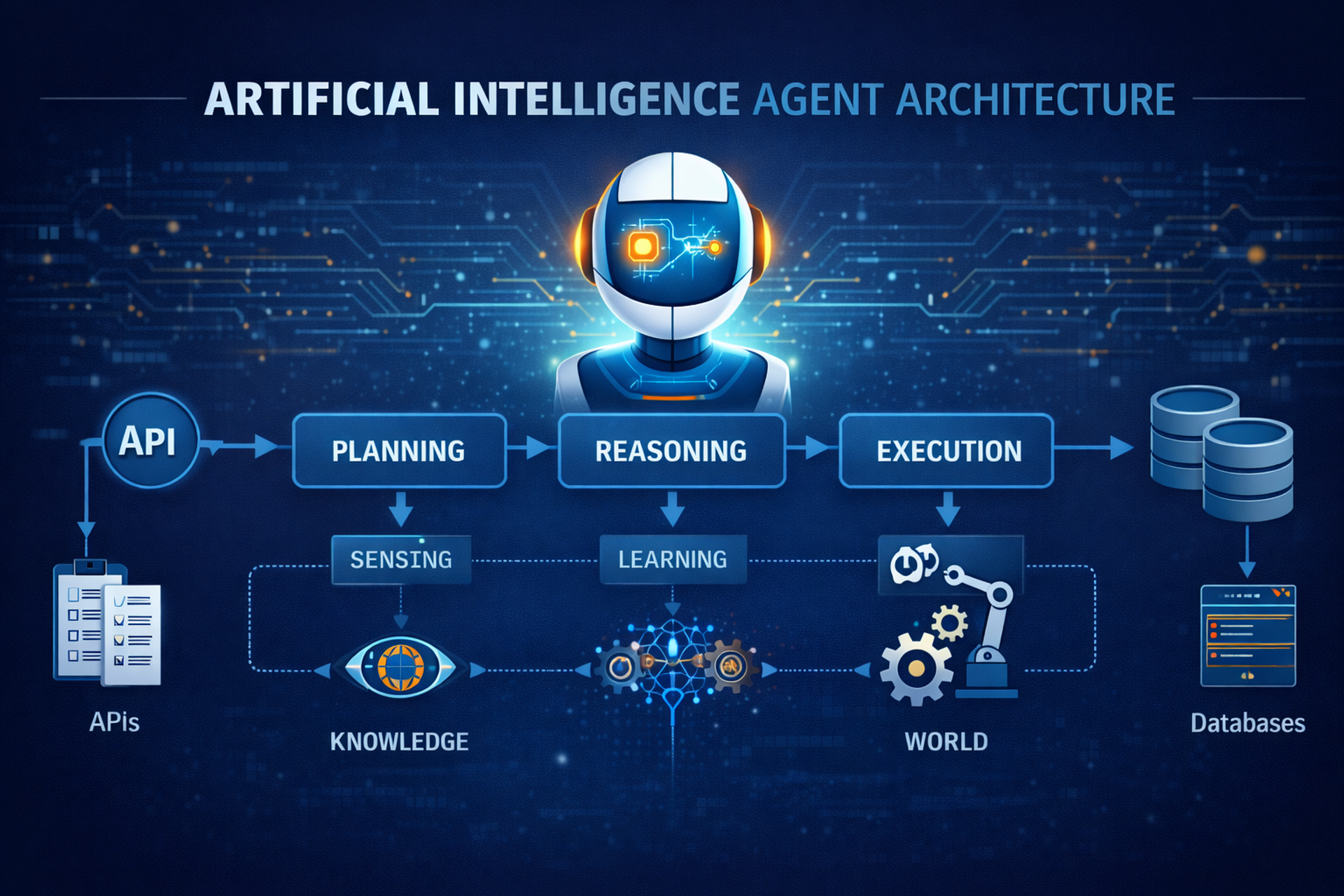
Agentic AI introduces a major shift in how Artificial Intelligence systems operate. Traditional AI waits for input and provides output. In contrast, an AI agent is designed with a goal, reasoning capabilities, memory, and execution power.
An intelligent agent can interpret a business objective, divide it into actionable steps, select the required tools, monitor progress, and adjust strategies dynamically. This makes it far more advanced than rule-based automation.
For example, in digital marketing, instead of manually analysing keywords and optimizing campaigns, an AI-powered autonomous system can research competitors, identify ranking gaps, create optimized content strategies, and continuously refine performance using real-time analytics.
The defining feature of Agentic AI is its ability to operate within complex ecosystems. It connects APIs, cloud platforms, databases, and enterprise Advanced Software Testing to achieve predefined outcomes with minimal human intervention.
What Are Autonomous Workflows?
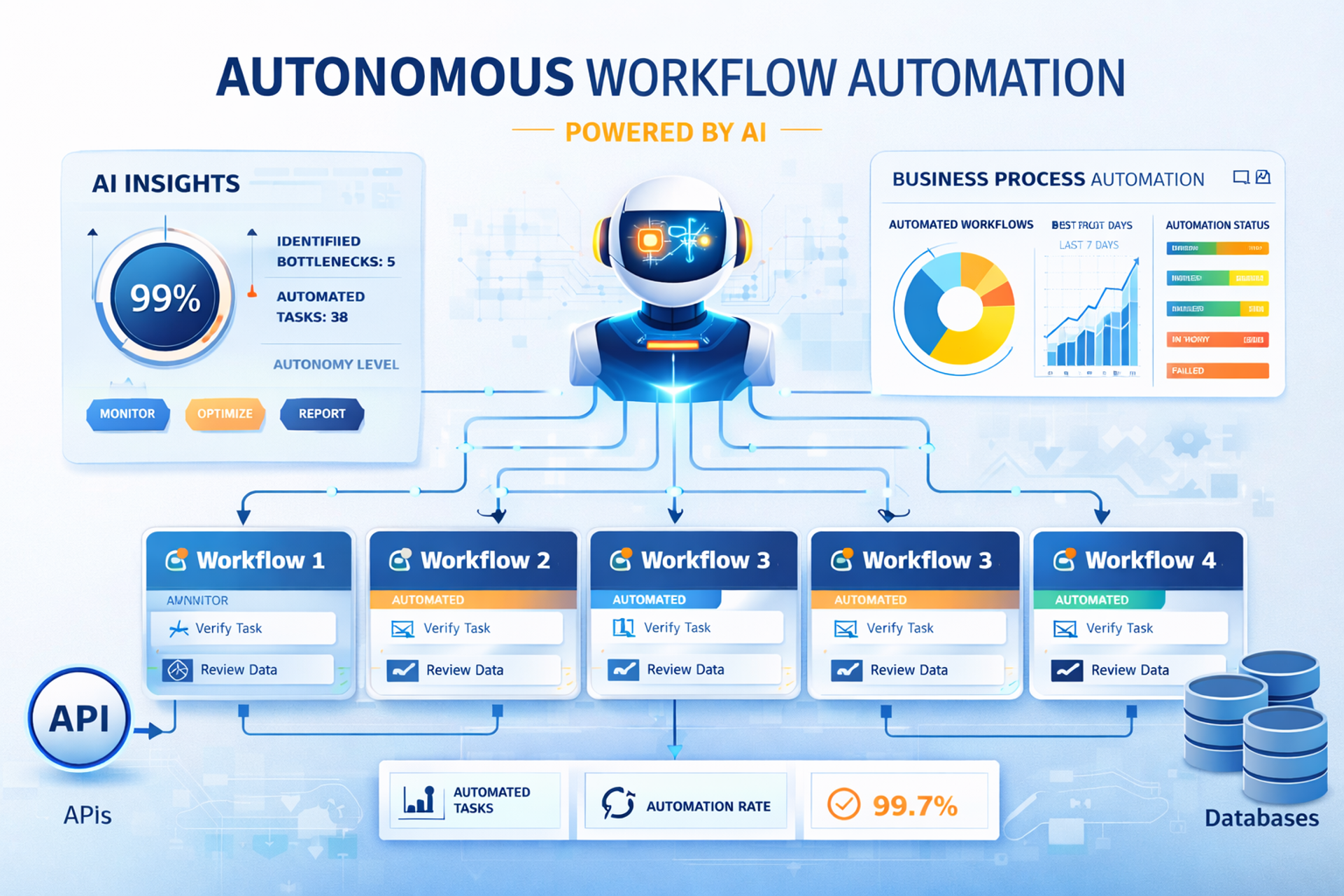
Autonomous workflows are structured processes powered by Artificial Intelligence automation that execute tasks independently. Unlike basic workflow automation tools that rely on static rules, these systems analyse patterns, adapt to changes, and make contextual decisions.
Traditional automation stops when unexpected variables appear. However, AI workflow automation systems assess new data, predict outcomes, and adjust operations accordingly.
Consider a customer support system enhanced by Agentic AI. Instead of replying with predefined answers, it understands intent, retrieves information from databases, escalates complex cases, learns from interactions, and continuously improves its accuracy.
This dynamic adaptability makes autonomous workflows not just efficient but strategically transformative for modern enterprises.
Core Components of Agentic AI Architecture
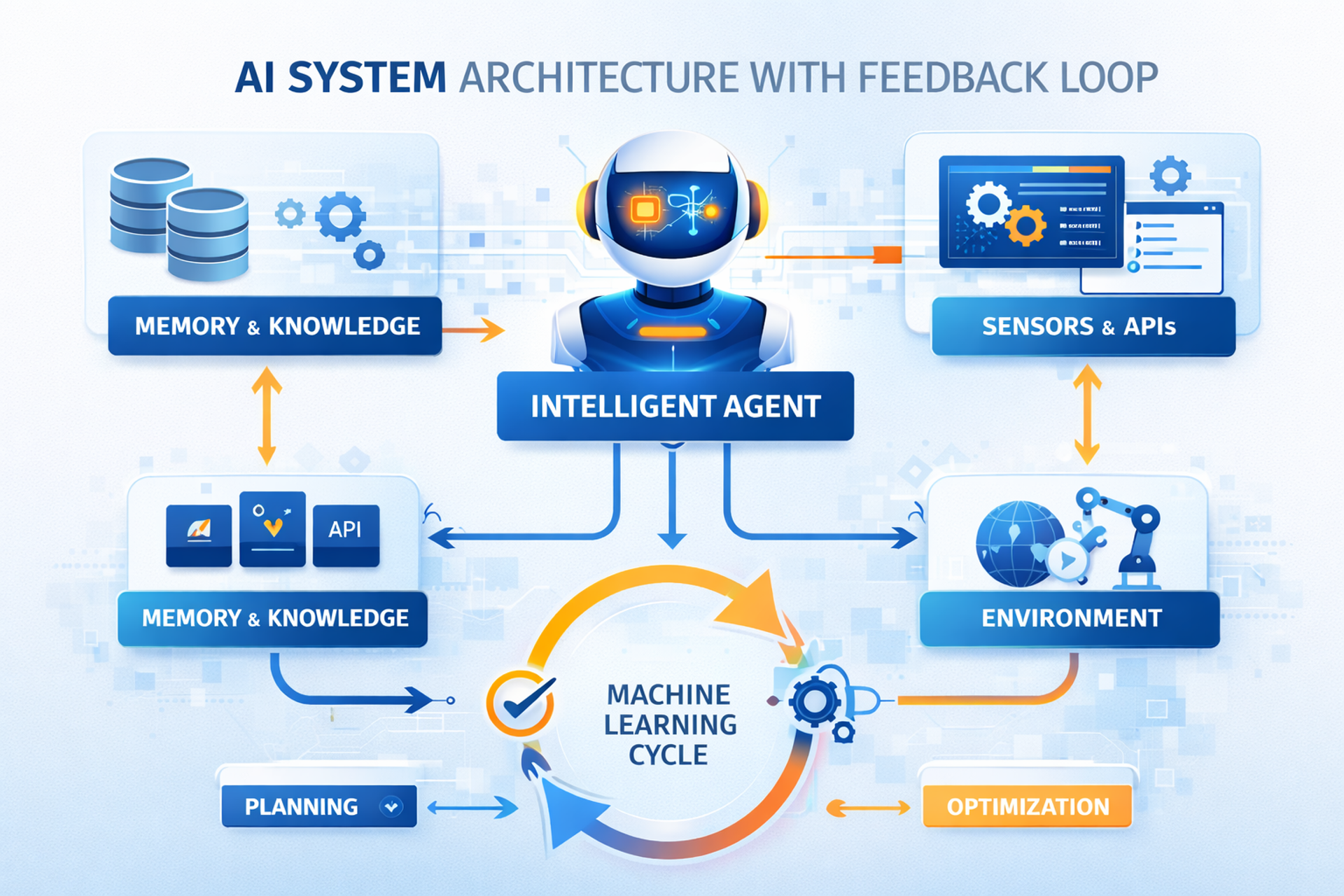
The architecture of Agentic AI systems is built on multiple intelligent layers. It begins with a clearly defined objective. The system then uses advanced machine learning models or large language models to interpret that objective.
Planning is the next stage. The agent breaks the goal into smaller executable tasks. It selects appropriate tools, whether analytics dashboards, CRMs, coding platforms, or cloud-based systems.
A crucial component is short-term and long-term memory, enabling contextual awareness. This allows AI agents to remember previous interactions and refine strategies over time.
Finally, a continuous feedback loop ensures performance improvement. The agent evaluates outcomes, detects inefficiencies, and recalibrates actions to achieve optimal results. This self-optimizing mechanism is what differentiates Agentic AI from traditional automation software.
Business Intelligence of Agentic AI & Autonomous Workflows
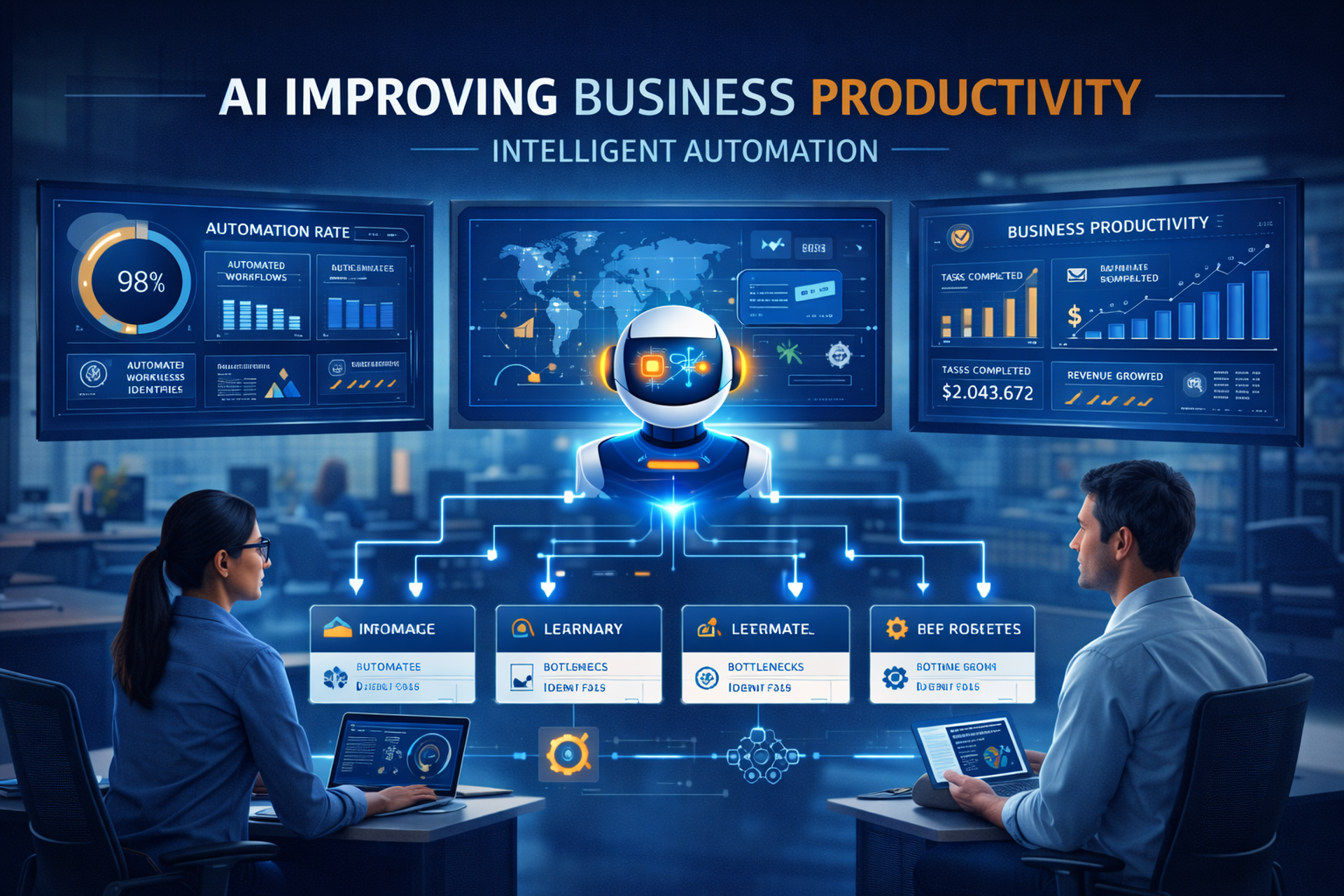
Adopting Agentic AI & Autonomous Workflows provides measurable advantages. One of the biggest benefits is increased operational efficiency. Businesses can delegate repetitive and analytical tasks to intelligent agents while teams focus on strategic innovation.
Another advantage is cost optimization. Reducing manual intervention lowers labor costs and minimizes human error.
Organizations also benefit from real-time decision making. AI agents analyze vast datasets instantly, ensuring faster and more accurate business insights.
Scalability becomes seamless. Whether managing hundreds or millions of users, AI-driven automation systems scale effortlessly without proportional increases in infrastructure.
For educational and digital training platforms like Cinute Digital, implementing AI-powered workflow automation can enhance lead generation, SEO optimization, and student engagement strategies.
Agentic AI in SEO and Digital Growth
From an SEO perspective, Agentic AI can automate keyword research, competitor analysis, on-page optimization, and technical audits. Intelligent agents can track ranking fluctuations, identify content gaps, and suggest improvements aligned with search intent optimization.
High-value keywords integrated naturally in this content include Artificial Intelligence automation, AI workflow automation, intelligent AI agents, autonomous systems in AI, machine learning workflows, and future of AI technology.
By combining semantic SEO, topical authority, and AI-powered analytics, websites can achieve long-term ranking stability and organic traffic growth.
Challenges and Ethical Considerations
Despite its advantages, Agentic AI introduces challenges such as data privacy concerns, algorithmic bias, and governance issues. Businesses must implement ethical AI frameworks and ensure transparency in automated decision-making systems.
Human oversight remains essential to maintain accountability and trust. Responsible AI adoption ensures sustainable innovation.
The Future of Agentic AI & Autonomous Workflows
The future of Artificial Intelligence lies in collaborative ecosystems where humans and intelligent agents work together. Rather than replacing jobs, Agentic AI enhances human capabilities by handling execution while professionals focus on creativity and strategy.
Emerging trends include multi-agent systems, decentralized AI networks, and real-time adaptive enterprises. Organizations adopting autonomous workflows today will lead tomorrow’s digital economy.
FAQ Section
What is Agentic AI?
Agentic AI refers to intelligent systems capable of planning, reasoning, and executing tasks independently to achieve predefined goals.
How do autonomous workflows improve productivity?
They automate complex processes, reduce manual errors, and enable real-time decision-making using AI-driven analytics.
Is Agentic AI useful for SEO?
Yes. It supports keyword research, content optimization, performance tracking, and competitor analysis automatically.
Are autonomous AI systems secure?
With proper governance, encryption, and compliance measures, they can be implemented securely in enterprise environments.
Which industries benefit the most?
Healthcare, finance, digital marketing, manufacturing, and education are rapidly leveraging AI-powered automation systems.
Conclusion
Agentic AI & Autonomous Workflows mark a transformative phase in Artificial Intelligence evolution. By enabling systems to think, plan, and act independently. Cinute Digital organizations achieve greater efficiency, scalability, and innovation. Businesses that strategically integrate AI-driven automation into their digital infrastructure will gain sustainable competitive advantages in the evolving technology landscape.
Tags

Seasoned Business Intelligence and learning and development professional with over 11 years of experience empowering students and professionals to unlock career success through data-driven skills. Specializing in Power BI, Tableau, and Prompt Engineering, Ashish is known for delivering practical, high-impact workshops and training programs across academic and corporate sectors.